
 FR
 EN
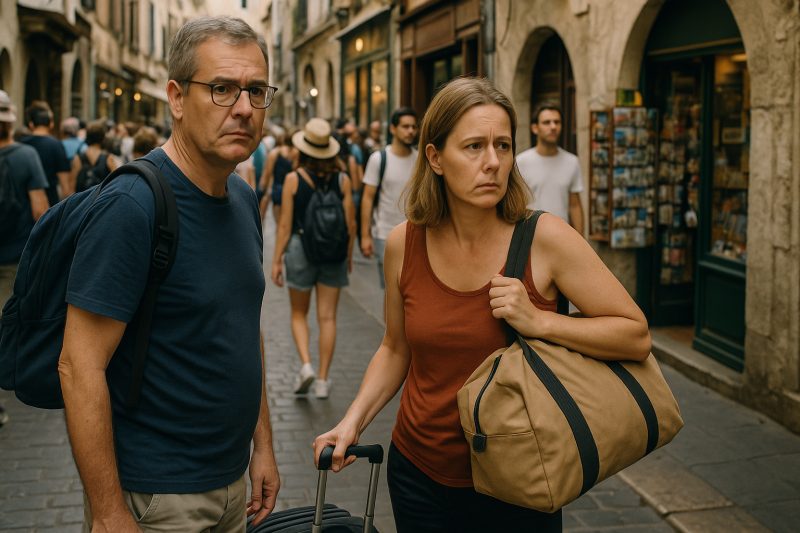
"In summer, we are obliged to leave", overtourism penalises residents of the most attractive cities
As the summer season approaches, the phenomenon of overtourism becomes increasingly evident in many popular destinations. Cities that once thrived on the influx of visitors are now grappling with the consequences of excessive tourism. Residents find themselves at the mercy of crowds, noise, and rising living costs, leading to a growing sense of frustration.
In various urban centres, locals express their concerns about the impact of tourism on their daily lives. The charm that once drew tourists is now overshadowed by the challenges posed by large numbers of visitors. Streets that were once peaceful are now bustling with tourists, making it difficult for residents to navigate their own neighbourhoods.
Moreover, the economic benefits of tourism often do not trickle down to the local population. While businesses may thrive during peak seasons, the cost of living continues to rise, pushing many residents out of their homes. This situation raises questions about the sustainability of tourism and its long-term effects on urban environments.
Local authorities are beginning to recognise the need for a balanced approach to tourism management. Initiatives aimed at regulating visitor numbers and promoting off-peak travel are being discussed. However, the challenge remains to find a solution that satisfies both tourists and residents alike.
As the debate continues, it is clear that the relationship between tourism and urban life must be re-evaluated. The voices of residents need to be heard, and their needs must be prioritised to ensure that cities remain livable for everyone.